Multimeter Auto Ranging Explained: A UK Buyer's Guide
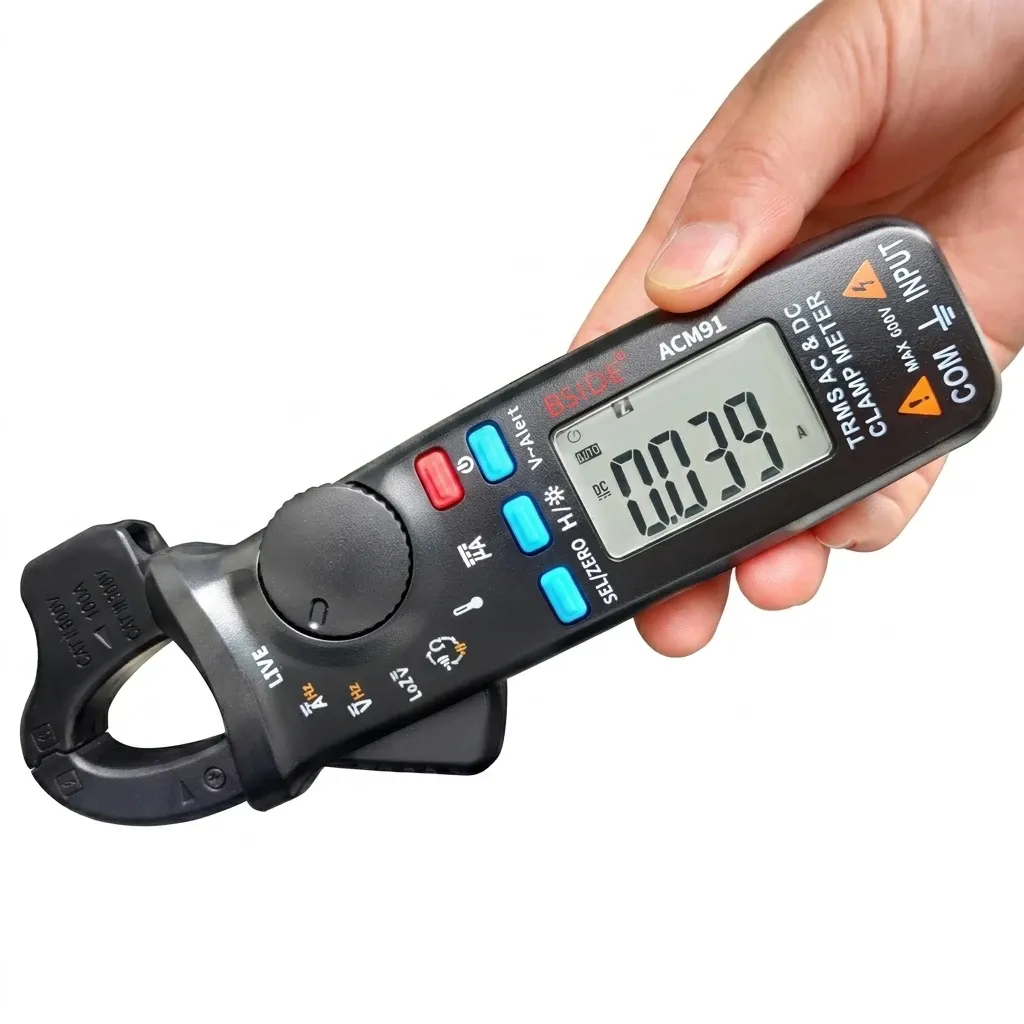
Short answer: multimeter auto ranging means the meter chooses the most suitable measurement range for you. Instead of manually selecting 2 V, 20 V, 200 V or similar ranges, you select the measurement type, such as voltage, resistance or continuity, and the meter scales the display automatically. For UK buyers, auto ranging is useful because it reduces setup errors, speeds up routine checks and makes a multimeter easier to use across DIY, automotive, electronics and trade tasks.
Auto ranging is not a replacement for electrical knowledge or safe working practice. It helps the meter display a readable value, but you still need to choose the correct function, use the correct input sockets, understand the environment you are testing, and avoid live mains work unless you are competent and properly equipped.
What does auto ranging mean on a multimeter?
A multimeter measures values that can vary widely. For example, a battery may be around 1.5 V, a car system around 12 V, and a UK mains circuit far higher. A manual-ranging multimeter asks you to choose the expected range before you measure. An auto-ranging multimeter detects the incoming value and selects the most appropriate range by itself.
That makes the display easier to read. If the value is small, the meter can show more useful detail. If the value is larger, the meter can shift up to a higher range without showing an overload message as quickly.
Auto ranging vs manual ranging: which is better?
For most buyers, auto ranging is easier and more convenient. Manual ranging can still be useful for experienced users who want faster response or a fixed range for repeated measurements. The right choice depends on your work style.
| Feature | Auto-ranging multimeter | Manual-ranging multimeter |
|---|---|---|
| Ease of use | Very beginner-friendly | Requires range selection |
| Speed for changing values | Can pause while finding the range | Can be faster when the range is already known |
| Risk of range mistakes | Lower, if the correct function is selected | Higher for new users |
| Best for | DIY, automotive, general diagnostics and mixed jobs | Repetitive bench work and experienced users |
If you are buying your first meter, auto ranging is usually the better starting point. If you already understand ranges and regularly repeat the same measurement, manual range control may still be useful as a secondary feature.
What can you measure with an auto-ranging multimeter?
The exact functions depend on the model, but a typical auto-ranging multimeter may support:
- AC and DC voltage
- resistance
- continuity with audible beep
- diode testing
- capacitance
- frequency or duty cycle
- temperature with a probe
- current, when supported by the meter and leads
Some clamp multimeters also measure current using a clamp jaw, which can be more convenient than breaking a circuit. For AC/DC clamp meters, check whether the clamp supports both current types, because many lower-cost clamp meters only measure AC current through the jaw.
Why does auto ranging matter for UK buyers?
UK users often buy one meter for several different jobs: checking batteries, diagnosing car issues, testing low-voltage power supplies, checking continuity on cables, or supporting trade work. Auto ranging helps because those jobs do not all sit in the same measurement range.
However, UK mains electricity can be dangerous. If you are working near consumer units, fixed wiring, distribution boards, EV chargers, HVAC equipment or live mains circuits, the meter's safety rating, leads, fuses and your own competence matter more than convenience features.
Auto ranging helps with display selection. It does not make an unsafe measurement safe.
What safety rating should you look for?
Look for a clear CAT safety rating and a voltage rating that matches the environment. CAT ratings are about the type of electrical environment the meter is designed for, not just the maximum number on the display.
| Rating | Typical environment | Buyer note |
|---|---|---|
| CAT II | Appliances and plug-connected loads | Not the first choice for fixed wiring work |
| CAT III | Distribution circuits, fixed installation environments | Often preferred for electricians and serious diagnostics |
| CAT IV | Service entrances and higher-energy outdoor supply points | Specialist environments require appropriate training |
Also check that the test leads are properly rated, in good condition and suitable for the same environment. Cheap or damaged leads can undermine an otherwise capable meter.
Which features are worth paying for?
True RMS
True RMS is useful when measuring AC signals that are not clean sine waves. It can be important for modern electronics, variable-speed drives, HVAC equipment and some power supplies. If you work beyond simple battery checks, True RMS is often worth having.
Clear input protection
Good meters should have proper fusing and clear input socket markings. This matters because many serious meter accidents happen when the probes are plugged into the wrong socket or the meter is left in a current mode.
Backlit display
A backlit display is useful in cupboards, garages, plant rooms, lofts and workshops. Large digits and stable readings also help when you are working in awkward positions.
Continuity response
For cable tracing, switch checks and electronics work, a fast continuity beep saves time. Some meters technically include continuity but respond slowly, which can be frustrating during practical fault finding.
Clamp current measurement
If you regularly measure current, a clamp meter can be more practical than an ordinary probe-only multimeter. Make sure it supports the current type you need, such as AC only or both AC and DC.
When should you choose manual range control?
Manual range control is useful when you want the meter to stay locked on a range. For example, electronics users may prefer a fixed range while watching small changes. Some auto-ranging meters also include a range button, giving you the best of both: automatic selection for general use and manual control when needed.
If the meter is slow to settle, locking the range can make repeated measurements feel faster. This is especially useful when comparing similar values one after another.
Common mistakes to avoid
- Choosing voltage, resistance or current mode incorrectly.
- Leaving the red lead in the current socket after measuring current.
- Using a low CAT-rated meter in a higher-energy environment.
- Assuming auto ranging protects against every wrong setup.
- Measuring live circuits without the training or PPE required.
- Using worn, cracked or unrated test leads.
- Buying on feature count while ignoring safety rating and build quality.
Quick buying checklist
- Choose auto ranging if you want easier general-purpose use.
- Look for True RMS if you work with AC equipment or modern electronics.
- Check CAT rating and voltage rating for your work environment.
- Confirm whether clamp current is AC-only or AC/DC.
- Check that leads are rated, replaceable and comfortable to handle.
- Look for a clear display, backlight and fast continuity beep.
- Prefer clear socket markings and fused current inputs.
- Do not buy a meter for mains work unless you know how to use it safely.
FAQ
Is auto ranging better for beginners?
Yes, usually. It removes the need to guess the measurement range, so new users can focus on selecting the correct function and using the probes safely. It does not remove the need to understand what is being measured.
Is an auto-ranging multimeter slower?
Sometimes. The meter may take a moment to settle as it chooses the correct range. Good meters do this quickly, and many include a manual range button when you want to lock the range.
Can auto ranging prevent damage?
It can reduce range-selection mistakes, but it cannot protect against every wrong setup. Incorrect input sockets, wrong function selection, unsuitable CAT rating or unsafe live-circuit work can still be dangerous.
Do electricians need auto ranging?
Many electricians prefer auto ranging because it speeds up varied diagnostic work. Safety rating, build quality, True RMS performance and lead quality are still more important than auto ranging alone.
Final buying advice
A multimeter with auto ranging is a sensible choice for most UK buyers because it makes everyday measurement quicker and easier. Choose one with the right CAT rating, reliable leads, clear input protection and functions that match your work. If you are dealing with mains electricity or high-energy equipment, treat the meter as only one part of safe practice: training, isolation, correct PPE and professional judgement still come first.
Ready to upgrade your diagnostics with ClampMeter UK?
Upgrade Your Kit — £70.96